Building Sweden’s first new metro line using a tunnel boring machine is a highly complex undertaking.
“We are now developing the commercial model to ensure efficient delivery and to provide suppliers with the right conditions to perform. This means reviewing our target model, collaboration approach, evaluation criteria, and incentives,” says Executive Director Per Ling-Vannerus.
One example is placing significantly greater weight on so-called added value and quality in the evaluation of tenders.
“We want to create the best possible conditions for a high production rate. Another example is the introduction of a minimum rating threshold. Tenders that do not achieve at least a rating of 1 for added value will simply not be considered,” says Per Ling-Vannerus.
The bonus model will also be adjusted, with a stronger focus on promoting progress during the production phase.
“Price is still important, but we see the need for a stronger focus on execution. We have a very tight schedule, with complex contracts that depend on one another—the station caverns must be sufficiently excavated by the time the tunnel boring machines arrive,” says Per Ling-Vannerus.
Another new feature is the option to exclude bidders from countries that are neither EU member states nor parties to free trade agreements with the EU—so-called third-country suppliers. This option will be applied in some of the procurements.
“There have been several EU court rulings indicating that this is the approach we should take. Given the current global situation, we should favor trading partners from countries with which we have agreements, provided that competition remains sound,” says Per Ling-Vannerus.
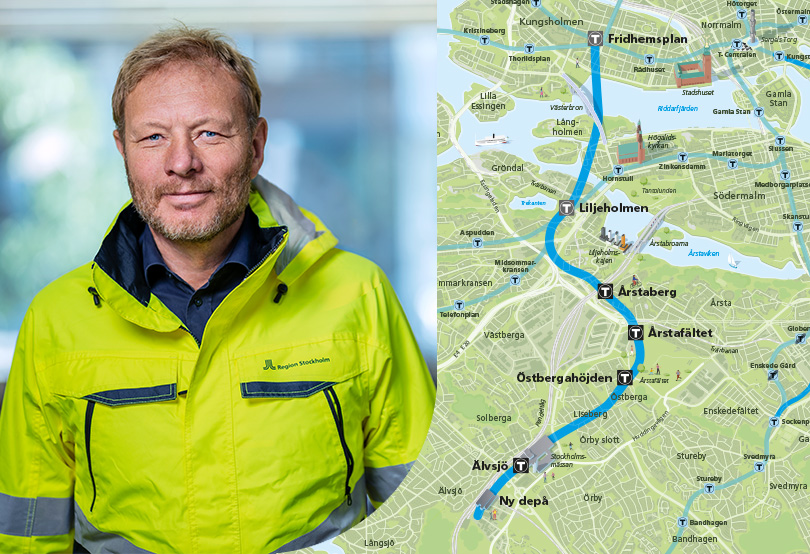
As early as the end of this week, another procurement—covering access tunnels in Årstaberg—will be launched, and in early 2026 it will be time for the major procurement that includes the tunnel boring itself.